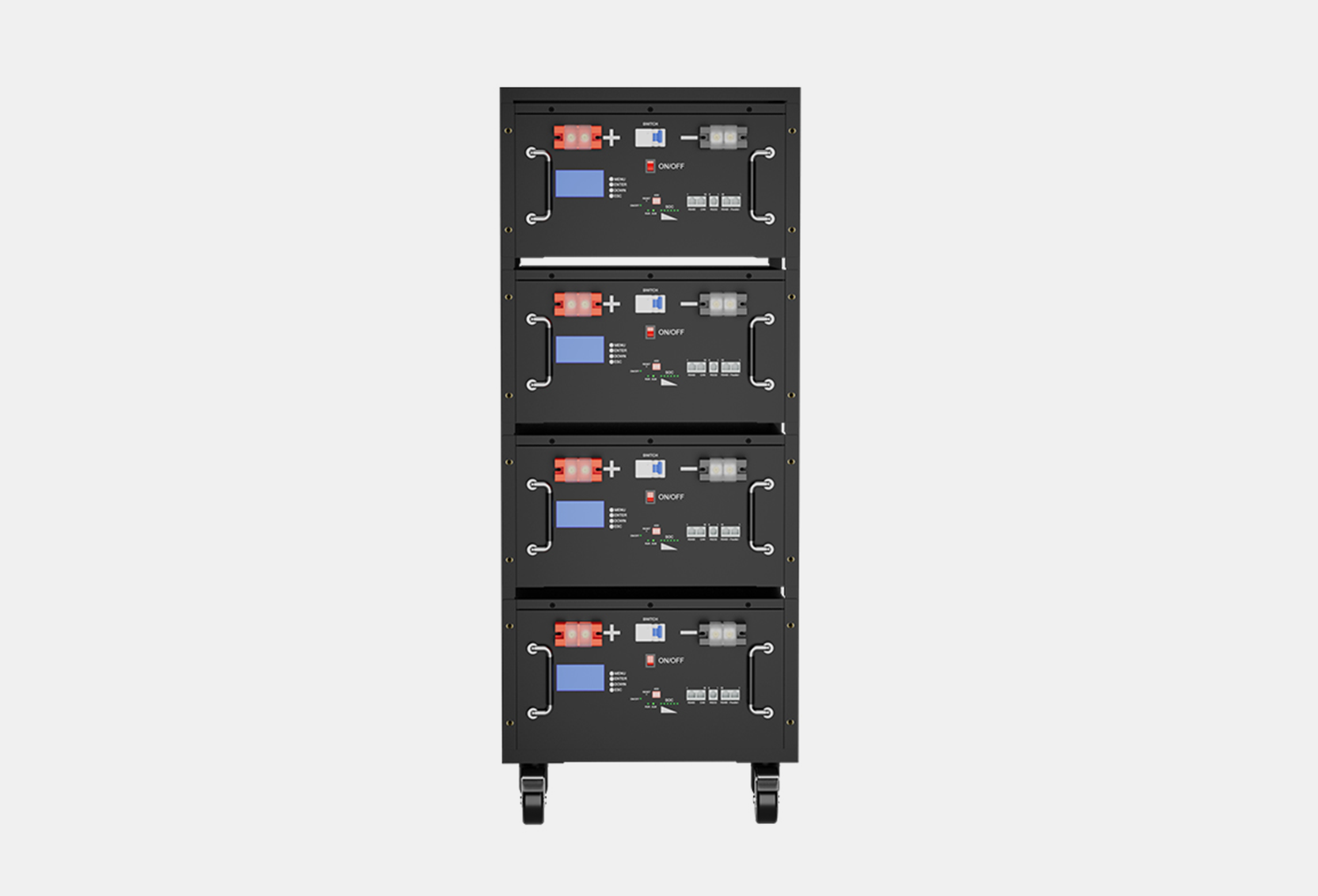
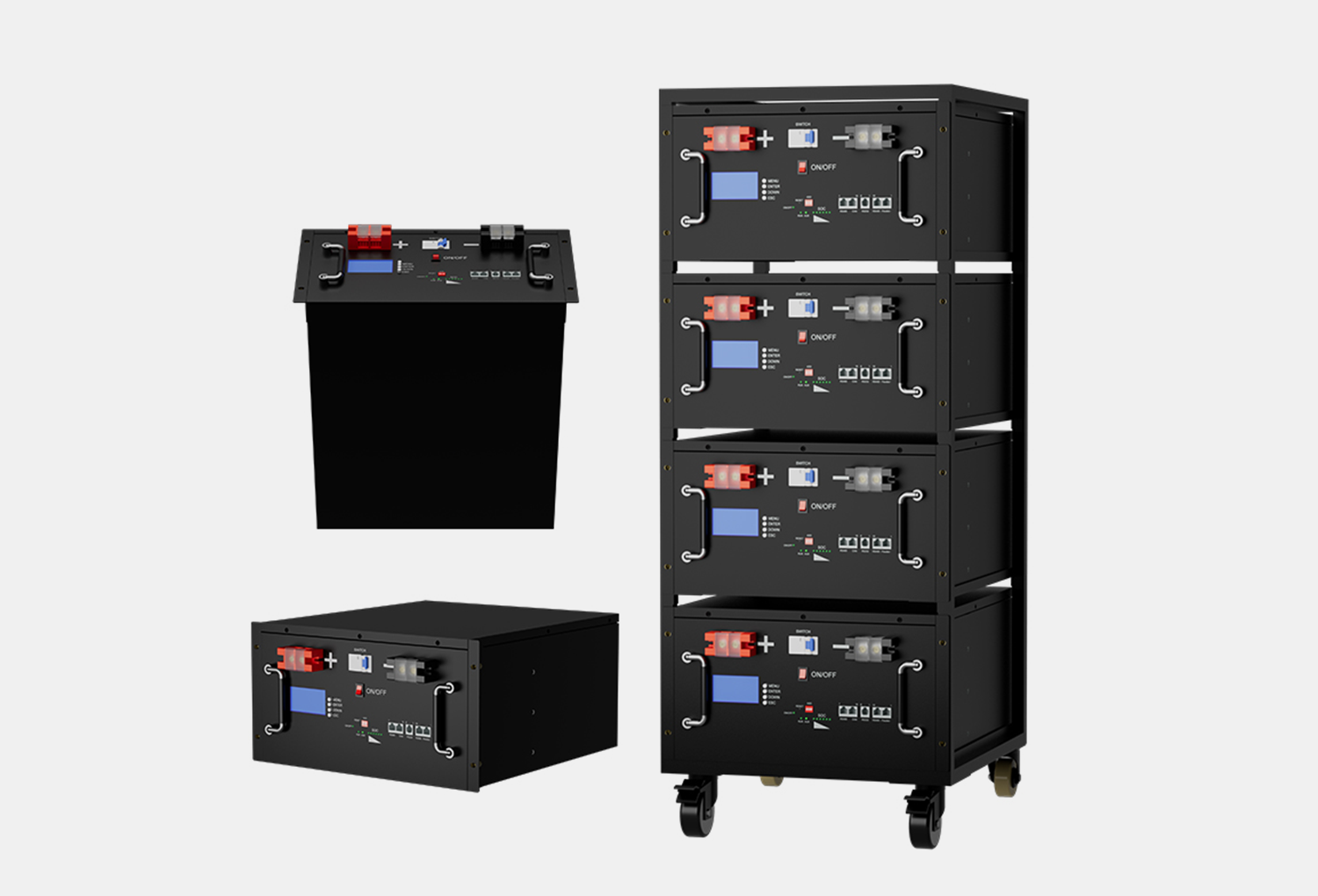
Server rack battery and wall mounted battery solutions from Safecloud deliver safe, scalable, and maintenance-light energy storage for data centers, telecom rooms, homes, and commercial sites.
Built on Grade-A LiFePO4 cells with an advanced BMS, each module offers long cycle life, stable discharge, and flexible installation that reduces total cost of ownership for integrators and installers.
Why Choose a Server Rack Battery or a Wall Mounted Battery?
Selecting between a server rack battery and a wall mounted battery depends on your layout, expansion plan, and maintenance workflow. Rack systems fit standard 19-inch cabinets, allowing high-density stacking and rapid module swaps. Wall systems save floor space, simplify single-string residential installs, and present a clean, modern appearance for finished spaces.
Application Scenarios That Favor a Server Rack Battery
A server rack battery excels in data centers, telecom base stations, security rooms, factories, and microgrids where standardized cabinets, tidy cable routing, and scalable capacity are critical. With front-access terminals and hot-swap-friendly layouts, technicians can add or replace modules without disrupting other circuits.
When a Wall Mounted Battery Is the Better Fit
A wall mounted battery shines in residential storage, retail backrooms, network closets, and light commercial offices. Its vertical orientation frees up floor area, and its compact enclosure blends with finished interiors. For hybrid solar + storage upgrades, a wall configuration often pairs neatly with inverters, charge controllers, and gateway switches.
Core Advantages of Safecloud LiFePO4 Architecture
-
Safety and Stability: LiFePO4 chemistry provides excellent thermal stability and an inherently safer profile in both server rack battery and wall mounted battery formats.
-
Long Cycle Life: >6,000 cycles at 80% DoD under standard conditions helps reduce replacement intervals and OPEX.
-
High Usable Capacity: Consistent discharge curves deliver predictable backup runtimes.
-
Smart BMS: Cell-level monitoring, balancing, and protection against over-charge, over-discharge, over-current, and over-temperature.
-
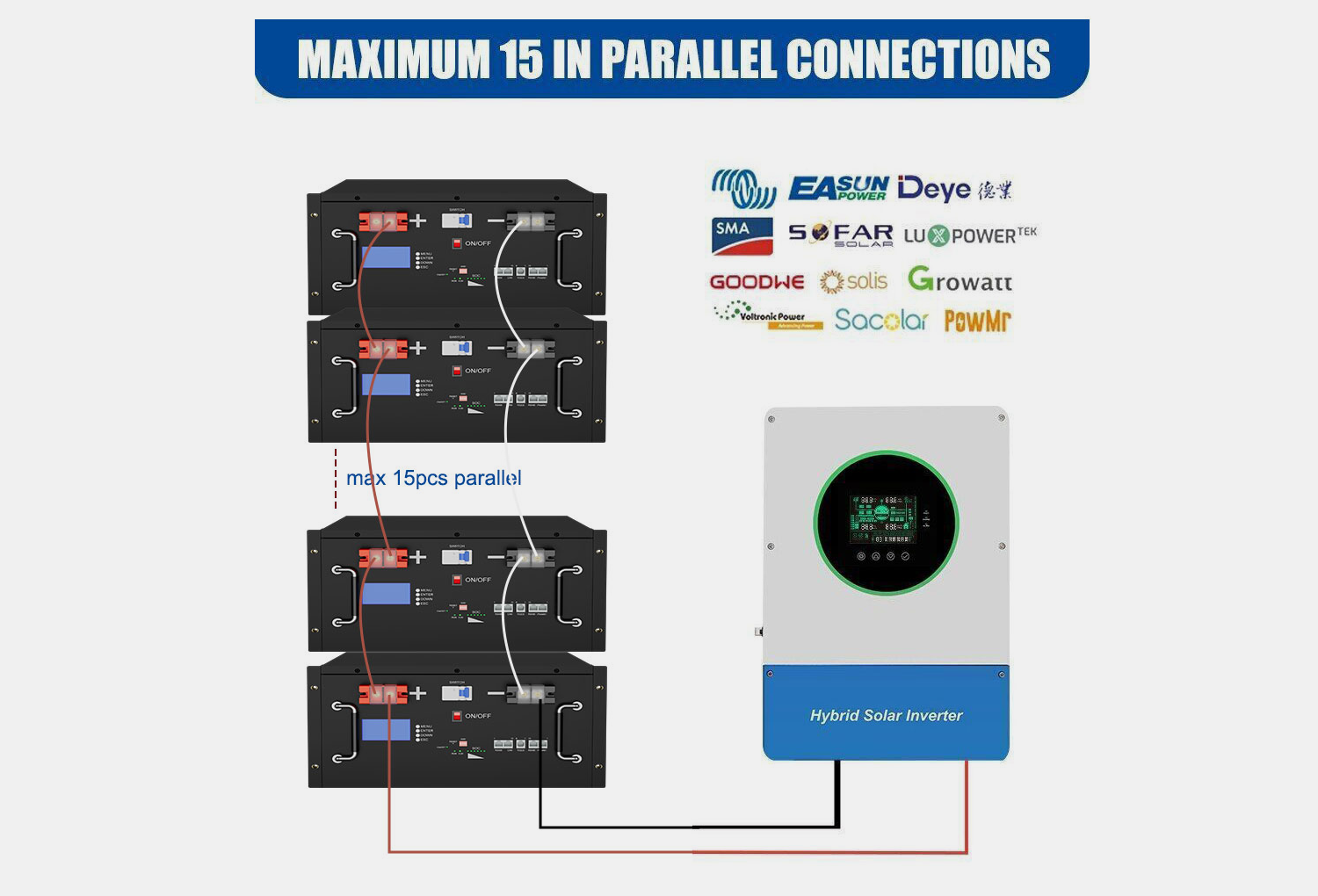
Scalability: Parallel multiple modules for higher kWh, whether you choose a server rack battery bank or a single wall mounted battery per site.
Electrical and Mechanical Design Highlights
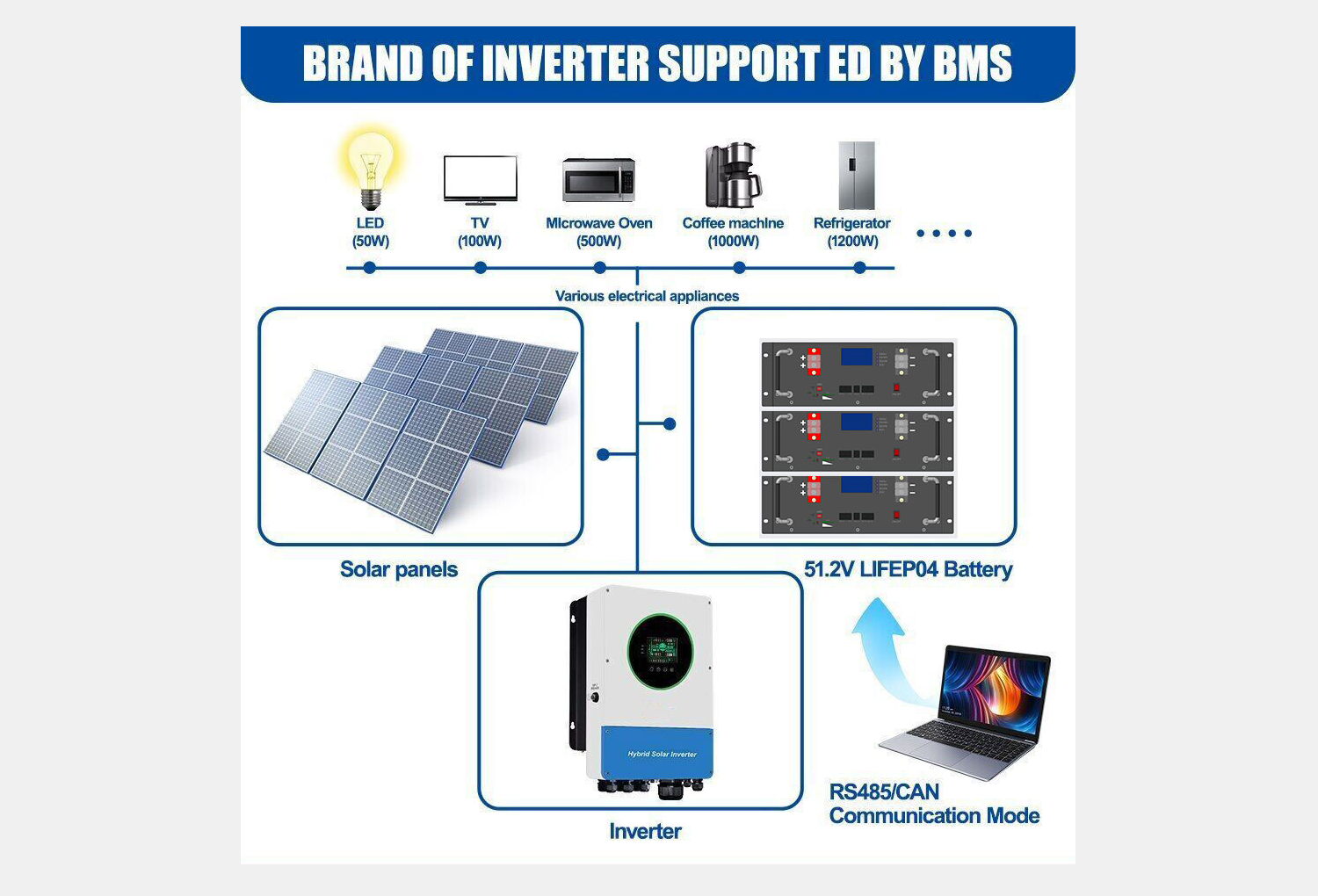
Our modular approach keeps installation flexible. The server rack battery format follows standard 19-inch cabinet dimensions, supporting quick slide-in/out servicing. The wall mounted battery enclosure uses reinforced mounting plates and shock-absorbing fixings for solid anchoring on masonry, wood studs, or metal frames. Both formats support CAN/RS485 communication, common inverter protocols, and remote status checks via optional gateways.
Integration with Inverters and EMS
A server rack battery typically feeds three-phase commercial inverters or telecom rectifiers, while a wall mounted battery pairs with single-phase hybrid inverters for residential PV. Our BMS libraries are validated with leading inverter brands, easing commissioning and minimizing firmware tweaks.
Performance You Can Count On
Whether you select a server rack battery array or a wall mounted battery unit, you’ll benefit from low internal resistance, high round-trip efficiency, and stable voltage profiles across a wide state-of-charge window. That translates to consistent inverter output, smoother peak-shaving, and reliable backup during grid outages.
Environmental Durability
The housings are corrosion-resistant with precise thermal pathways. A server rack battery cabinet supports forced-air cooling flows; a wall mounted battery enclosure uses convection-aided channels and temperature sensors to maintain safe operating ranges. Optional heaters enable cold-climate charging strategies defined in the BMS.
Safety, Compliance, and Quality Control
Every server rack battery and wall mounted battery module undergoes cell sorting, formation, aging tests, and 100% functional checks. Certifications such as UN38.3 and CE are available for export; our factories maintain ISO-aligned quality systems, and we can support additional compliance routes by region for B2B tenders.
Installation and Commissioning Made Simple
-
Site Survey: Confirm wall integrity or rack dimensions, thermal conditions, and cable paths.
-
Mounting/Racking: Fix the wall mounted battery plate to structural members, or slide the server rack battery into a 19-inch cabinet with appropriate rails.
-
Cabling: Use appropriately rated DC cables and protective devices. Follow polarity, torque specs, and bonding practices.
-
BMS/EMS Setup: Set charge limits, communication baud rates, and inverter protocols.
-
Verification: Run charge/discharge tests, confirm alarms, and log the handover report.
Scalability for Future Growth
A common deployment pattern is to start with a wall mounted battery in a pilot project, then expand to a server rack battery cluster as loads increase. Our parallel kits, combiner boxes, and wiring guides ensure safe scaling from a few kilowatt-hours to hundreds of kilowatt-hours without re-engineering your entire system.
TCO and Serviceability
Choose a server rack battery for dense installations that benefit from centralized service aisles and front-access modules; choose a wall mounted battery when you need easy point-of-use access and minimal footprint. Either way, the high cycle life and efficient charge profiles reduce total cost of ownership over multi-year operating horizons.
Typical Technical Parameters (Model Families)
-
Nominal Voltage: 48V / 51.2V
-
Capacity Options: 50Ah–200Ah per module
-
Max Continuous Discharge: Up to 1C (model-dependent)
-
Round-Trip Efficiency: Up to ~95% under standard conditions
-
Cycle Life: >6,000 @ 80% DoD, 25°C (reference conditions)
-
Protection: OVP/UVP/OCP/OTP/SCP in BMS
-
Communication: RS485/CAN; inverter protocol libraries available
-
Enclosure: Steel or aluminum alloy; IP rating by model for indoor installs
These values are representative; your project may specify variants of the server rack battery or wall mounted battery with different ratings, interfaces, or enclosures.
OEM/ODM for Integrators and Brands
We offer faceplate logos, custom firmware limits, tailored wiring harnesses, and enclosure colorways. Whether it’s a white-label server rack battery for telecom integrators or a branded wall mounted battery for residential dealers, we can match your product roadmap and certification plan.
After-Sales and Remote Support
Our team provides online commissioning help, troubleshooting guides, and spare parts logistics. For large fleets—mixes of server rack battery banks and wall mounted battery units—we can enable remote monitoring to flag anomalies before they impact uptime.

Frequently Asked Questions
How do I choose between a server rack battery and a wall mounted battery?
If you need high density, centralized service, and standardized cabinets, a server rack battery is ideal. If you want a compact, visible install near the inverter with minimal floor use, a wall mounted battery is usually better.
Can I parallel multiple units?
Yes. Both server rack battery and wall mounted battery models support parallel expansion when installed with proper busbars, fusing, and BMS settings.
Are these compatible with my inverter brand?
In most cases, yes. Our BMS communicates with many leading inverter platforms. Tell us your model so we can confirm the server rack battery or wall mounted battery profile required.
What maintenance is required?
Very little. Keep vents clear, inspect terminations, review BMS logs, and follow annual torque checks. Both server rack battery and wall mounted battery formats are designed for low-touch operation.
What about safety certifications for shipping?
Modules are shipped under UN38.3 protocols. Regional electrical standards for a server rack battery cabinet or a wall mounted battery enclosure can be addressed as needed for your market.
Get a Tailored Proposal
Share your site load, target backup hours, inverter model, and space constraints. We’ll size either a server rack battery bank, a wall mounted battery unit, or a hybrid approach to hit your performance targets and budget, complete with drawings, cable schedules, and lead-time options.