Inverter protocol review
Provide the exact inverter brand and model. CAN or RS485 protocol, cable pinout and firmware should be verified before sample approval.


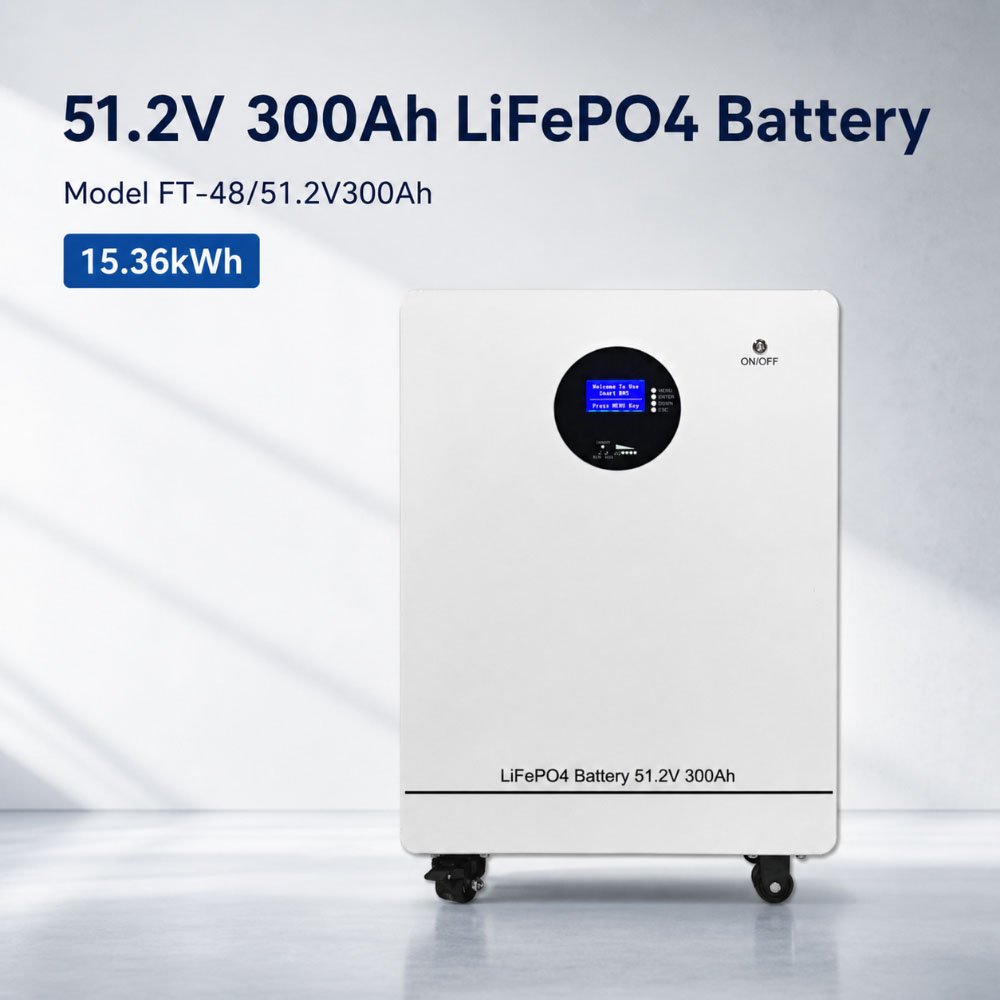
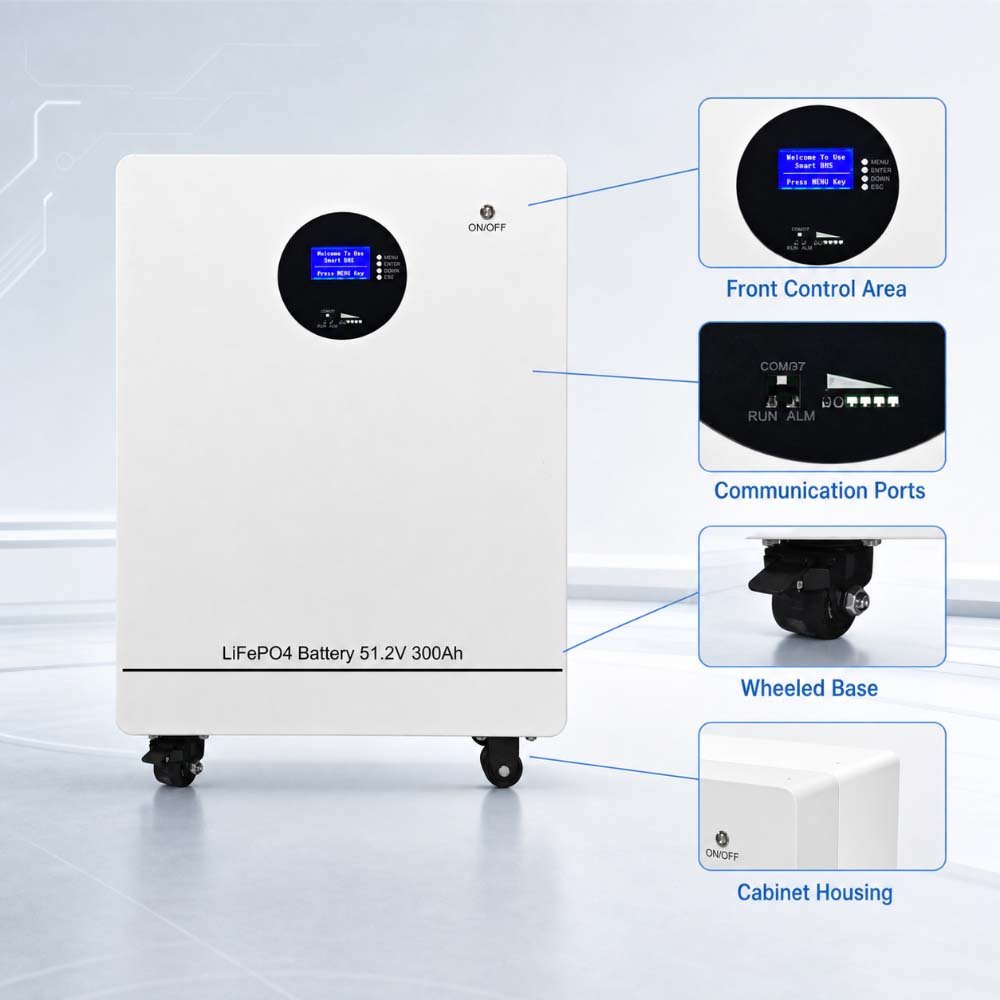
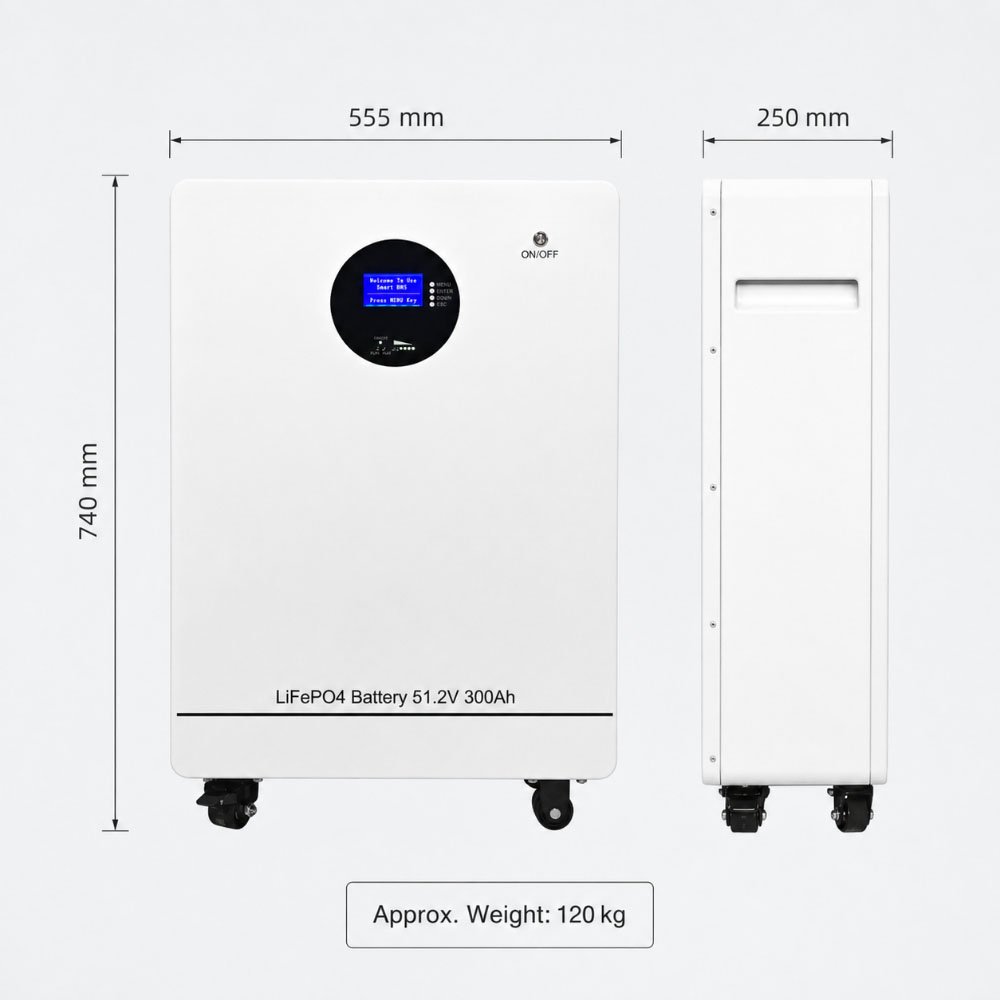
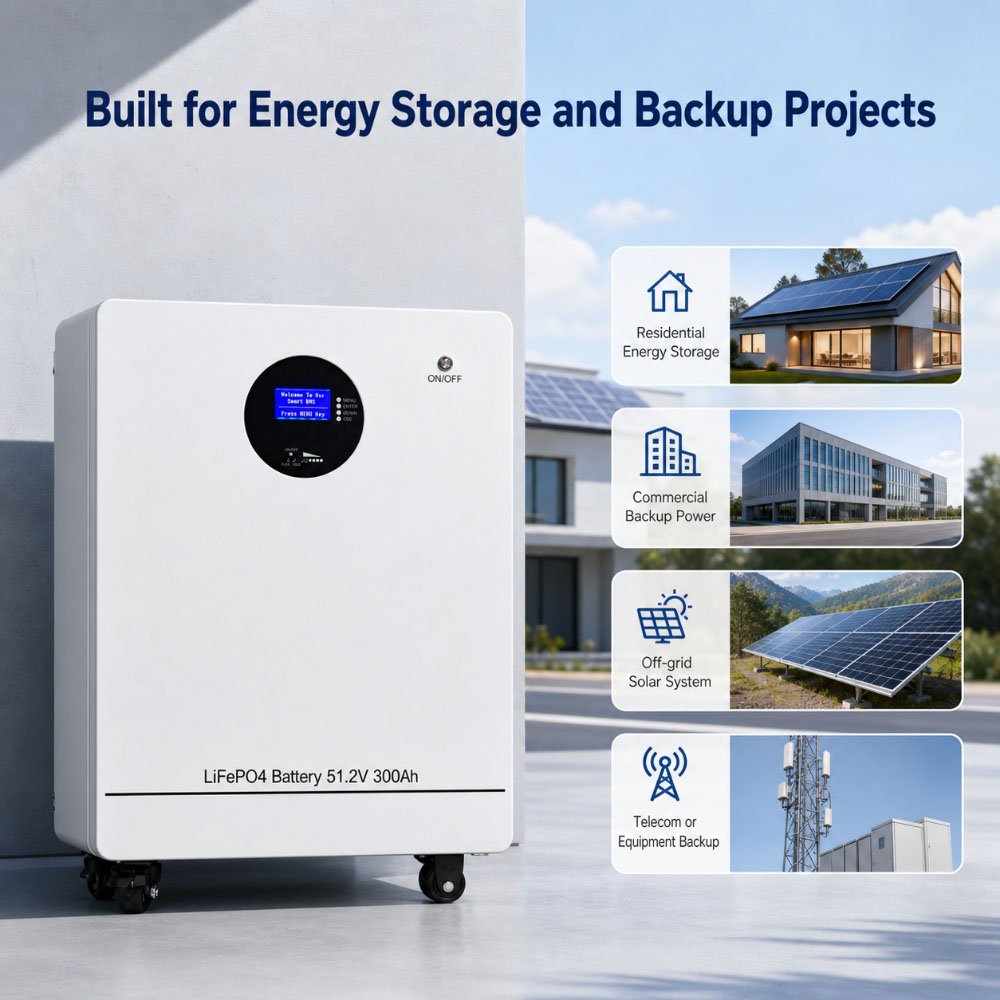
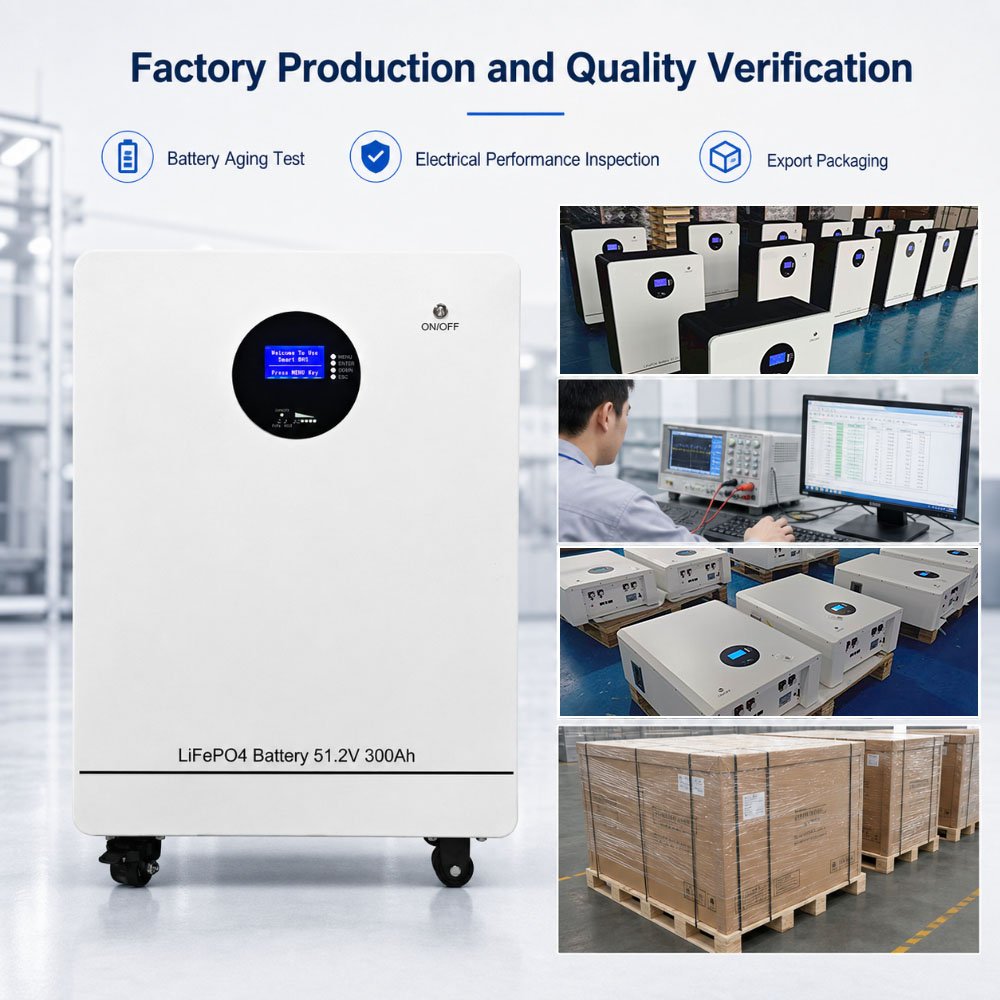
Use product photography, dimensions, terminal close-ups, packaging and application images to support procurement review.
The FT-48/51.2V300Ah is a 51.2V nominal 300Ah floor-standing LiFePO4 battery holding 15.36kWh per cabinet — roughly 13.8kWh usable at the 90% DOD design point. It discharges to 200A, about 10.24kW on the battery side, so it pairs with 48V hybrid inverters up to the 10kW class. CAN, RS485 and RS232 are all fitted, and up to 15 cabinets parallel into a 230kWh bank for residential solar, small commercial backup and off-grid projects.
No public price. Quotation is based on quantity, application, customization and delivery requirements.
These are the six questions our engineering team works through before issuing a quotation. Settling them early shortens the sampling cycle and prevents protocol or current mismatches after delivery.
Provide the exact inverter brand and model. CAN or RS485 protocol, cable pinout and firmware should be verified before sample approval.
Recommended current is 100A and maximum current is listed as 200A. Confirm actual continuous-current configuration against the final BMS.
Up to 15 units in parallel is stated in the supplied specification. Review total current, busbar, protection and communication design for the project.
IP20 is intended for protected indoor installations. Keep the enclosure upright, lock the wheels and provide installation and heat-dissipation clearance.
Touch LCD, self-heating, app, Bluetooth telemetry and active fire-extinguishing modules are optional and must be selected before quotation.
Confirm which pack and cell certificates apply to the exact production configuration and target market before publishing or purchasing.
Complete electrical, mechanical and environmental data for the FT-48/51.2V300Ah. The production drawing, BMS settings, labels and certificates issued with your order remain the controlling documents.
| Nominal voltage | 51.2V | Nominal capacity | 300Ah |
|---|---|---|---|
| Nominal energy | 15.36KWh | Cell type | 3.2V 300Ah LiFePO4 |
| Cell configuration | 4S1P | Continuous charge current | 200A |
| Continuous discharge current | 200A | Peak discharge current | 200A / 10s |
| Maximum discharge power | 10240W | Charging voltage | 58.4V |
| Discharge cut-off | 46V | Cycle reference | ≥6000 cycles |
| IP rating | IP20 | Dimensions | 555x250x740mm |
| Weight | Approx. 120kg | Terminal | Project confirmation required |
| Housing | White sheet metal housing | Communication | RS485/232/CAN |
| Operating temperature | -20~60℃ | Warranty statement | up to 5 years |
Select the model that should be attached to your inquiry.
| Model | Voltage | Capacity | Energy | Dimensions | Weight | Select |
|---|---|---|---|---|---|---|
| FT-48300A | 51.2V | 300Ah | 15360Wh | 555x250x740mm | Approx. 120 kg |
The 15.36kWh floor-standing form factor is positioned for system integrators, distributors, solar installers and project companies requiring higher usable capacity per cabinet.
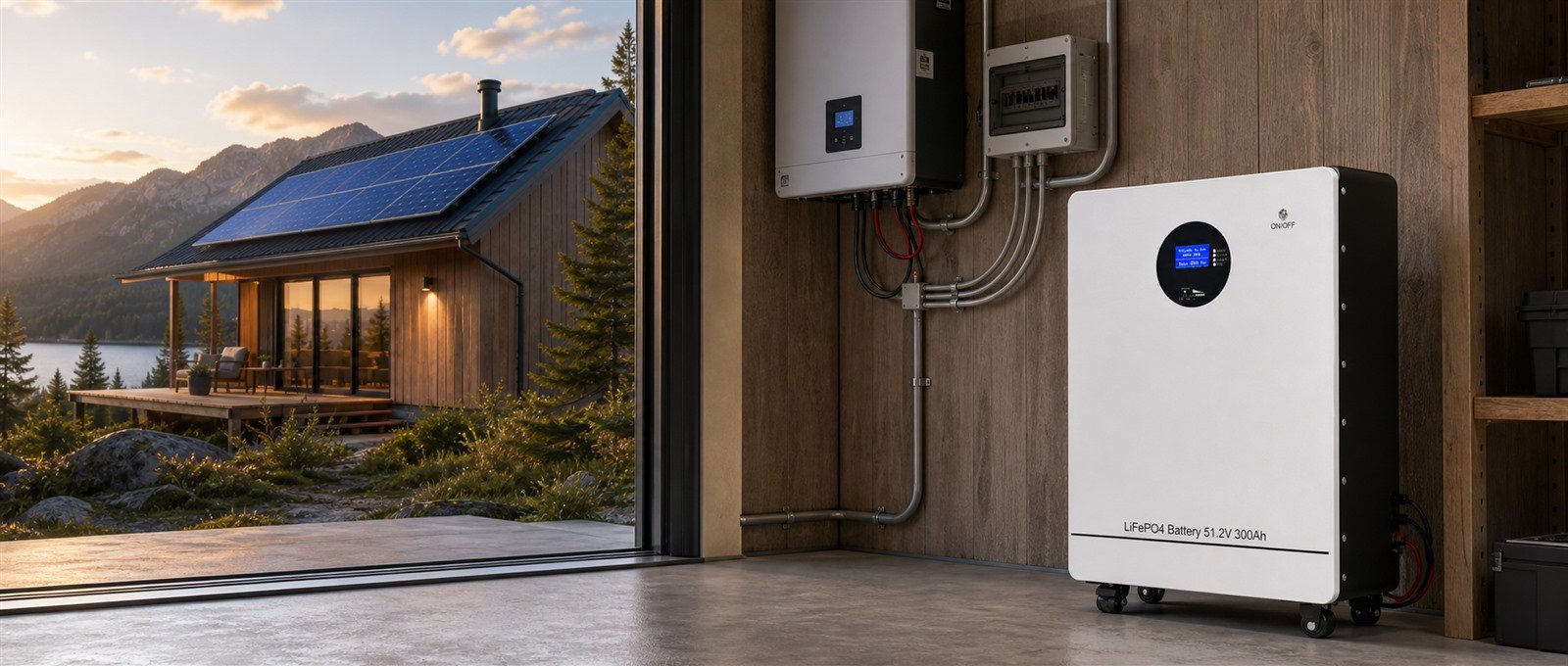
For larger homes, villas or high-consumption residential systems requiring a floor-standing battery and inverter communication.
For shops, offices, farms and light commercial loads where outage protection and solar energy utilization are project priorities.
For regional brands, distributors and system integrators requiring branded enclosure, protocol configuration and export documentation.
For remote properties and distributed systems requiring stored solar energy, project-specific inverter matching and scalable capacity.
This floor-standing platform can be reviewed for private-label projects and system-integration requirements. Optional functions should be defined before sample production and locked after approval.
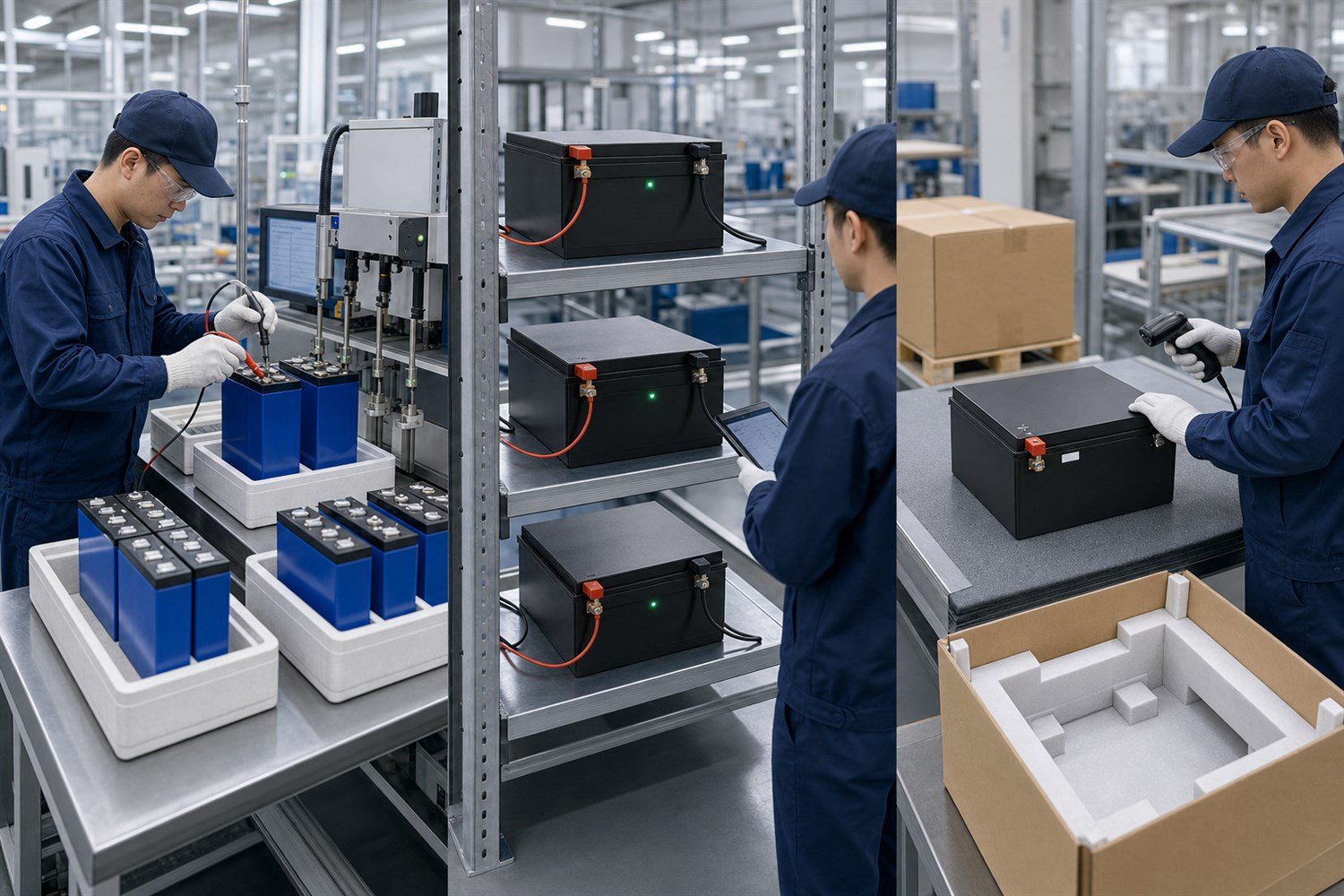
Submit requirementsShare target quantity, market, application, load and charging details.
Engineering confirmationConfirm battery configuration, BMS, terminals, housing and documents.
Sample or pre-production approvalReview product label, packaging and functional requirements.
Production and inspectionAssembly, functional testing, aging and final quality checks.
Packing and shipmentPrepare lithium battery shipping documents and agreed packaging.
Every unit is built, aged, tested and packed in our own facility. This is the control sequence your incoming inspection or third-party audit will see, step by step.
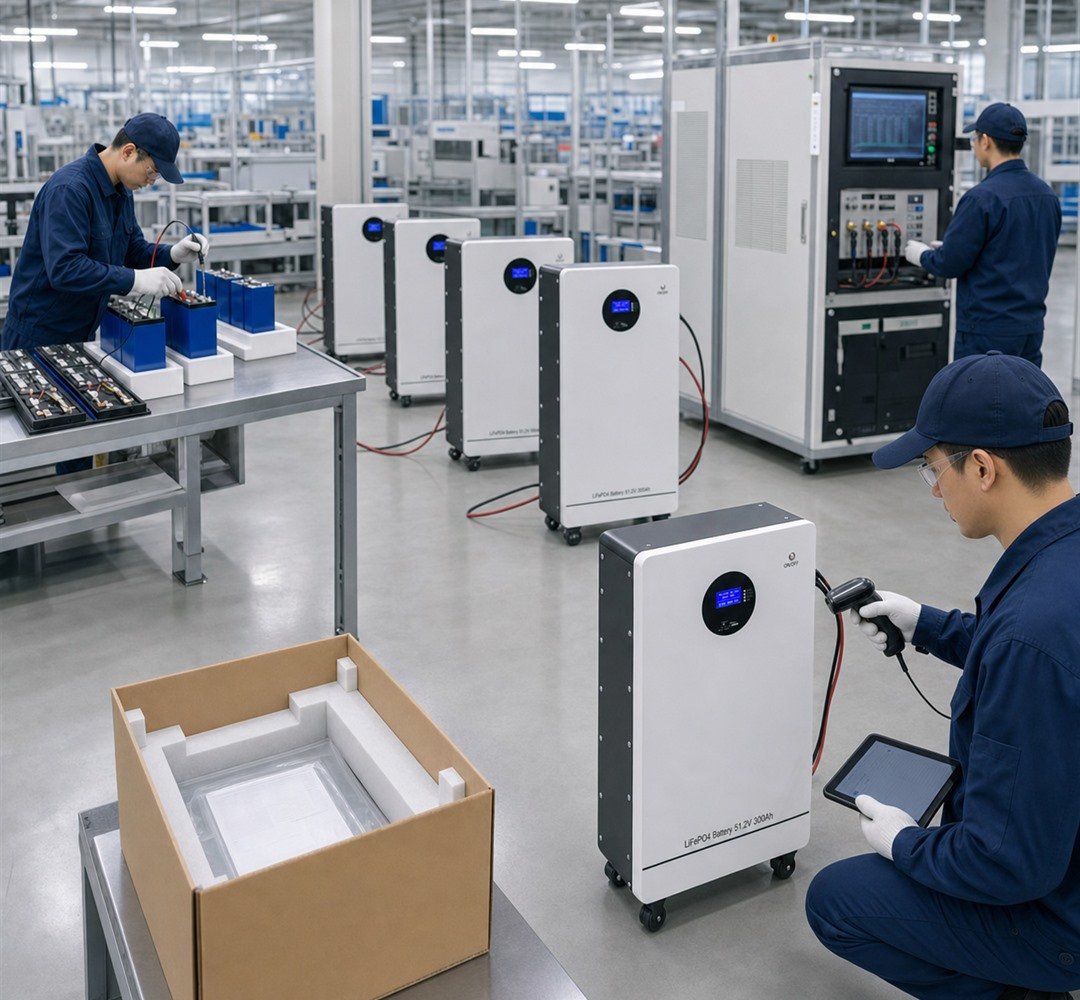
Incoming material controlVerify cells, BMS, enclosure, wiring and purchased components against the approved configuration.
Electrical performance testReview voltage, current, capacity, protection functions and communication according to the inspection plan.
Aging and functional verificationRun configured battery systems through defined charge/discharge and communication checks before release.
Final configuration inspectionCheck firmware, label, terminals, accessories, manuals, carton marks and project-specific details.
Export packingUse protective packaging and project-approved pallet or carton arrangements suitable for the order and route.
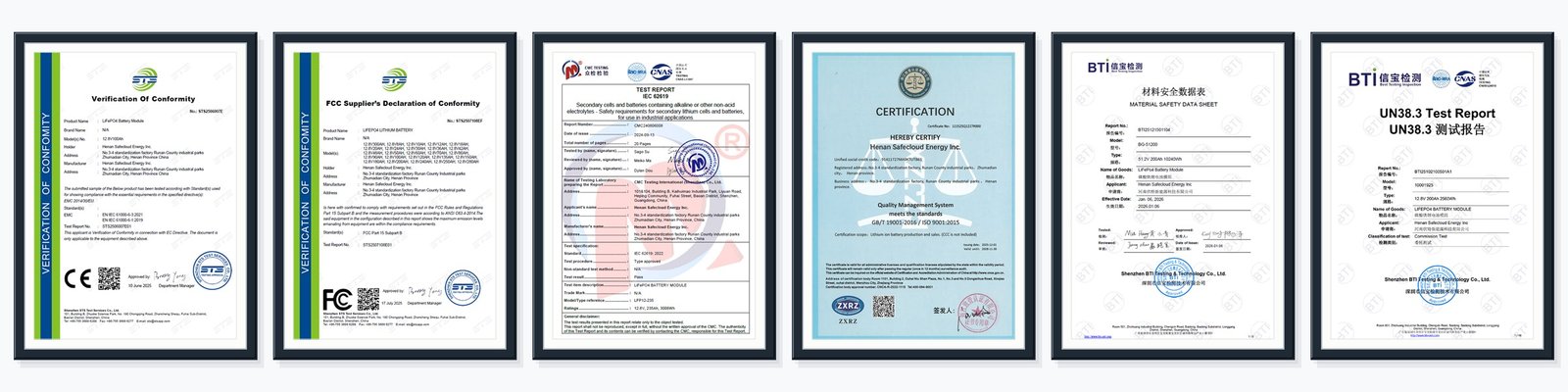
Answers should help procurement teams evaluate fit, quotation requirements and customization scope.
CAN and RS485 interfaces are listed, but compatibility should not be assumed from the brand name alone. Send the exact inverter model, protocol document and cable pin definition for review and bench testing.
The supplied specification states up to 15 parallel units. The actual project must review inverter limits, total current, protection, busbar or cable design, address settings and communication topology.
No. These functions are listed as optional enhancements. Confirm required options during quotation so the BMS, enclosure, wiring and documentation can be configured accordingly.
The supplied protection rating is IP20, so it should be installed in a protected indoor environment or suitable enclosure. Do not position it where it is exposed to rain, condensation, corrosive atmosphere or uncontrolled heat.
Please provide quantity, target market, inverter brand and model, current requirements, parallel quantity, optional functions, logo or label files, documentation scope, target delivery time and application details.
The product name and model are attached automatically. Share the technical information needed for a useful quotation rather than only asking for a unit price.